



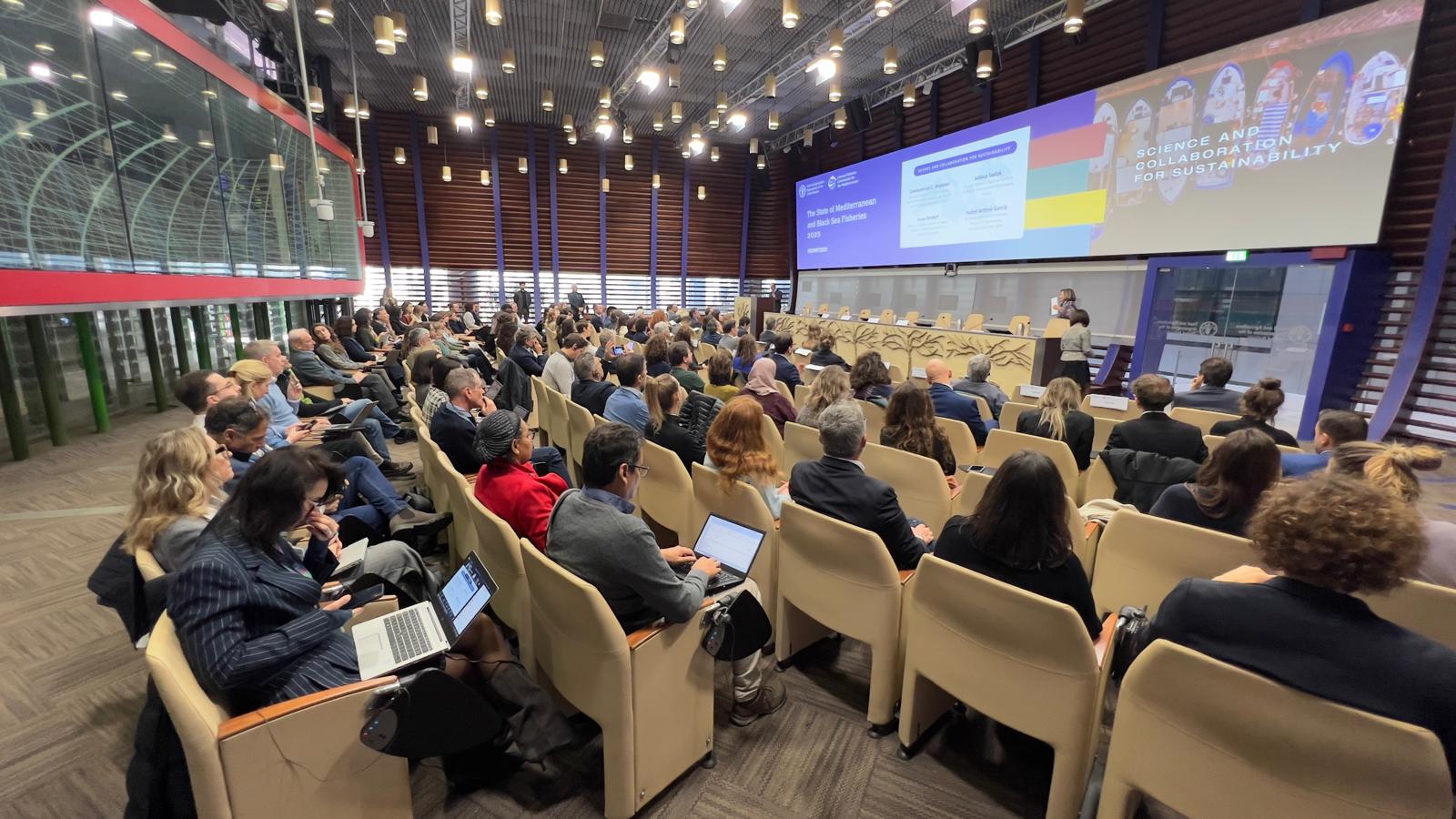
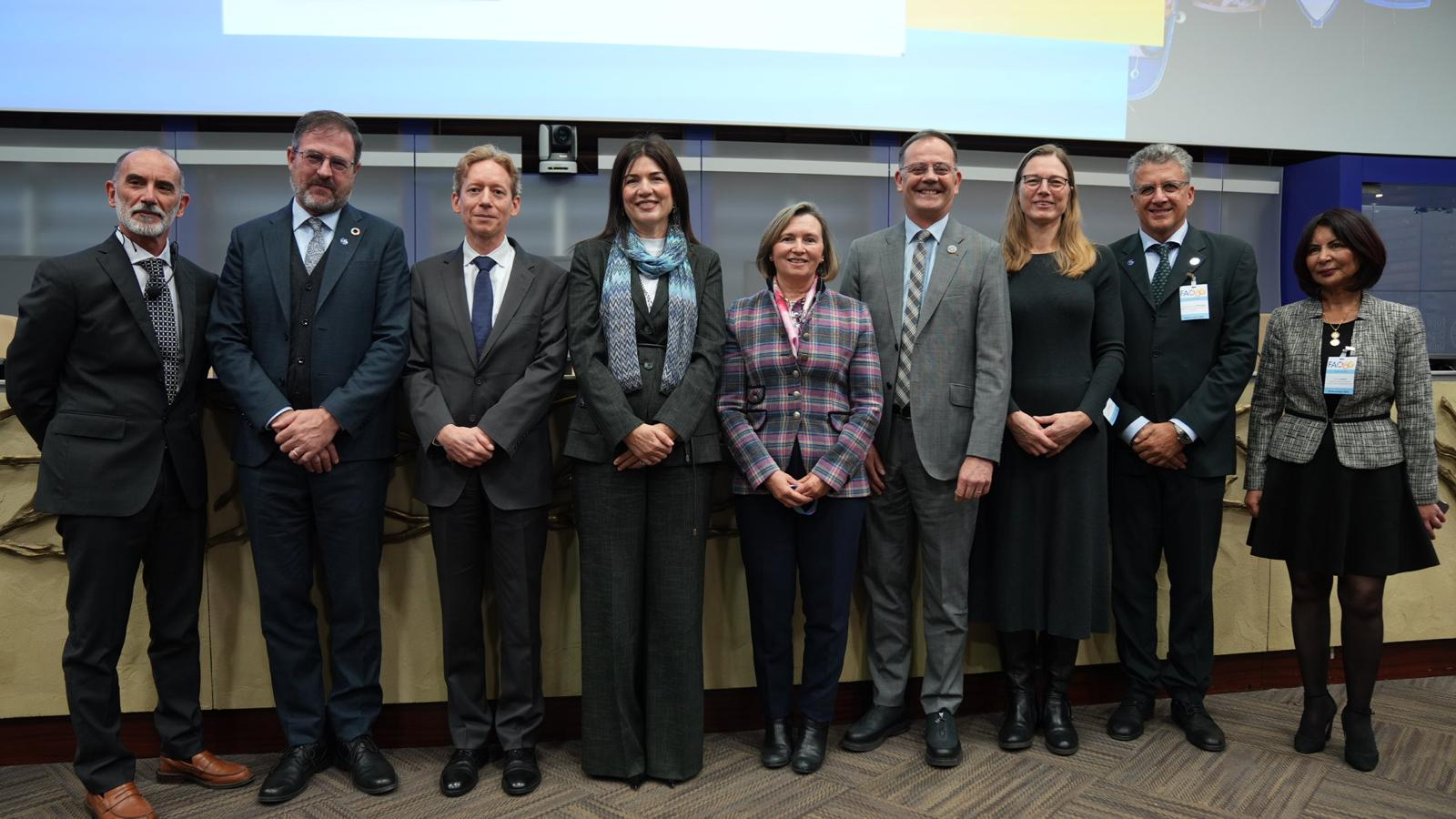
On November 28, 2025, at the headquarters of the Food and Agriculture Organization (FAO) in Rome, the General Fisheries Commission for the Mediterranean (GFCM) presented its report on The State of Mediterranean and Black Sea Fisheries – 2025. The report shows that the sustainability of fisheries in the Mediterranean and Black Sea remains a source of concern, but the percentage of stocks that have been overfished is the lowest in the last decade, a milestone that coincides with the rapid growth of aquaculture as a major source of aquatic food in the region.
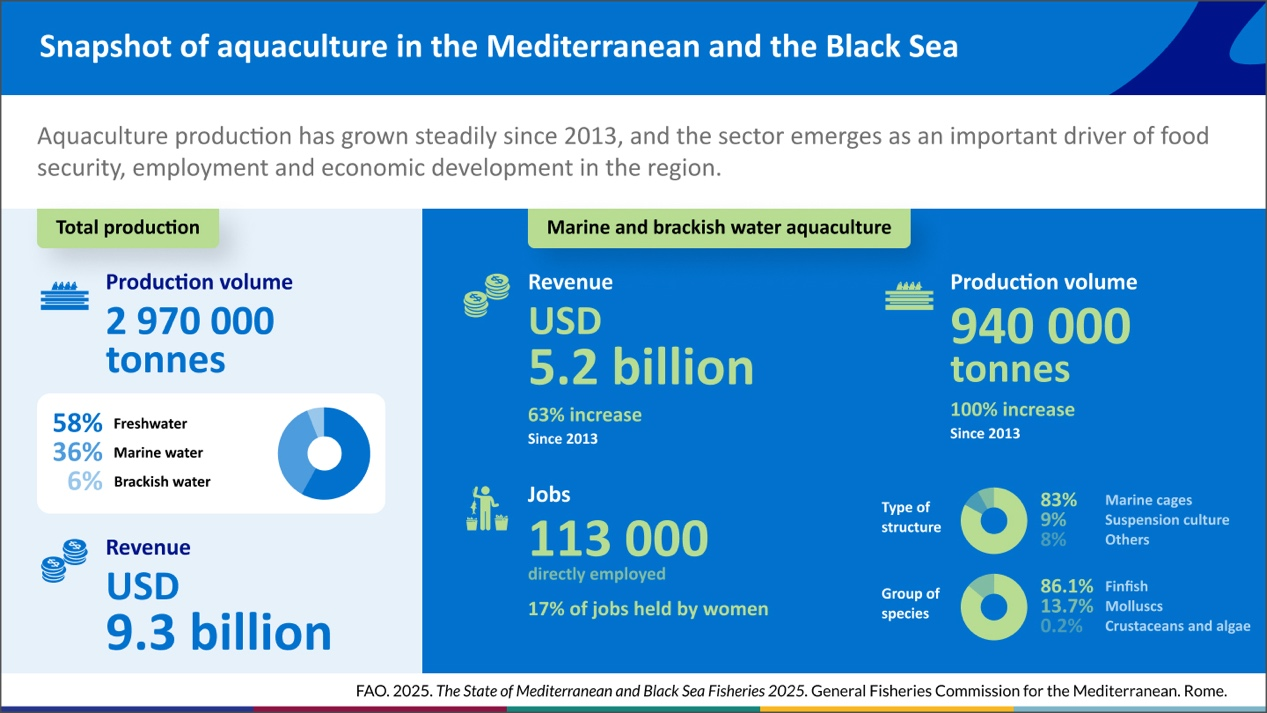
The share of marine and brackish water aquaculture production has steadily increased since 2019, reaching 940 000 tonnes in 2023 and accounting for more than 45% of total aquatic food production in the region. In contrast, capture fisheries production has remained relatively stable, fluctuating around 1 million tonnes per year over the past decade and reaching 1,117,700 tonnes in 2023.
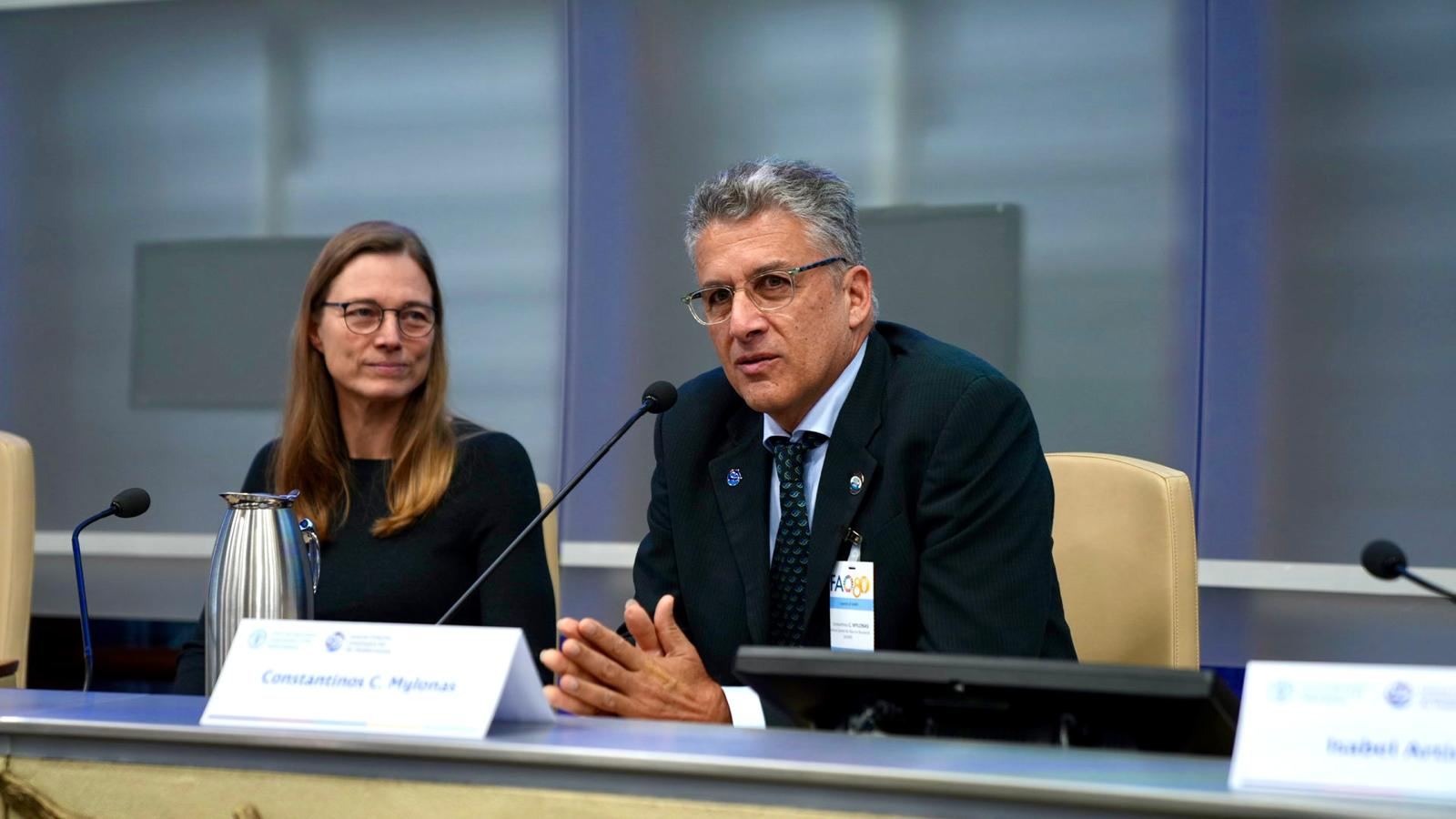
Dr. Constantinos Mylonas, Director of the Institute of Marine Biology, Biotechnology and Aquaculture (IMBBC) of the Hellenic Centre for Marine Research (HCMR) was the invited panelist representing the Aquaculture sector. He underlined that “Research into aquaculture in the Mediterranean is a shining example of interdisciplinary and multinational cooperation for the gradual and steady acceleration of sustainable solutions for the production of aquatic animals”.
Aquaculture is dominated by finfish production, representing around 86% of total marine and brackish water production. This number jumps to over 98% percent in North Africa and eastern Mediterranean, mainly driven by brackish water production systems in Egypt and marine cage farming in Greece, Cyprus and Türkiye. In contrast, production in the European Union overall is more diversified, with finfish accounting for roughly 67% of production and Mediterranean mussel, Japanese carpet shell and oysters making up the remaining third.
Greece has the second largest share of the region’s total revenue from aquaculture, contributing an estimated $734.42 million. In 2023, aquaculture production in marine and brackish waters in the Mediterranean remained highly concentrated: the top eight producers accounted for 95.5% of total regional production. Greece ranked third with 139,000 tons (14.8% of the total volume), consisting mainly of gilthead sea bream, European sea bass and mussels. Greece has a balanced aquaculture sector, consisting of 123 companies using cages and 400 companies producing mussels and oysters, including small and medium-sized farms. It also has the highest proportion of very large enterprises (three with an annual production of over 5,000 tons).
Greece is an active member of GFCM and a strong player in regional fisheries governance and aquaculture. In 2024, it organized the Regional Aquaculture Conference “Shaping the Future of Sustainable Aquaculture in the Mediterranean and Black Sea,” and in 2027 it is expected to host the meeting for the signing of the new ministerial declaration on sustainable fisheries and sustainable aquaculture development in the region.
The Aquaculture Demonstration Center in Heraklion, Greece, established in 2025, covers priority issues such as marine fish production and the integration of new technologies. It operates at the HCMR in collaboration with the European Reference Center for Aquatic Animal Welfare Aquatic Animals at the University of Crete, and covers the entire cycle of fish production, with a particular focus on reproduction, health and welfare and sea-cage smart aquaculture.